
Montreal to the Blaeberry: From Photographing Montreal Musicians to Blaeberry Bull Trout
ARTICLE
L. Brown
5/20/20264 min read
Photographer Alex Stairs has left the busy island of Montreal for the Blaeberry, just west of Golden, BC with her camera in tow. Stairs has found a way to combine her love of photography and documenting with her appreciation for the outdoors… and fly fishing. Always one to play things by ear, her current project is far from traditional and can be complicated to describe, even to her friends.
Stairs hitches rides with fly fishing guides throughout North America to capture waterways, landscapes and species unique to different regions with her film camera. “Anglers are absolutely the best eyes and ears on both land and water,” said Stairs. “That’s what makes my collaboration with fly fishing guides so crucial. They see and notice things that your average person wouldn’t because of how much time they spend on a certain section of river.”
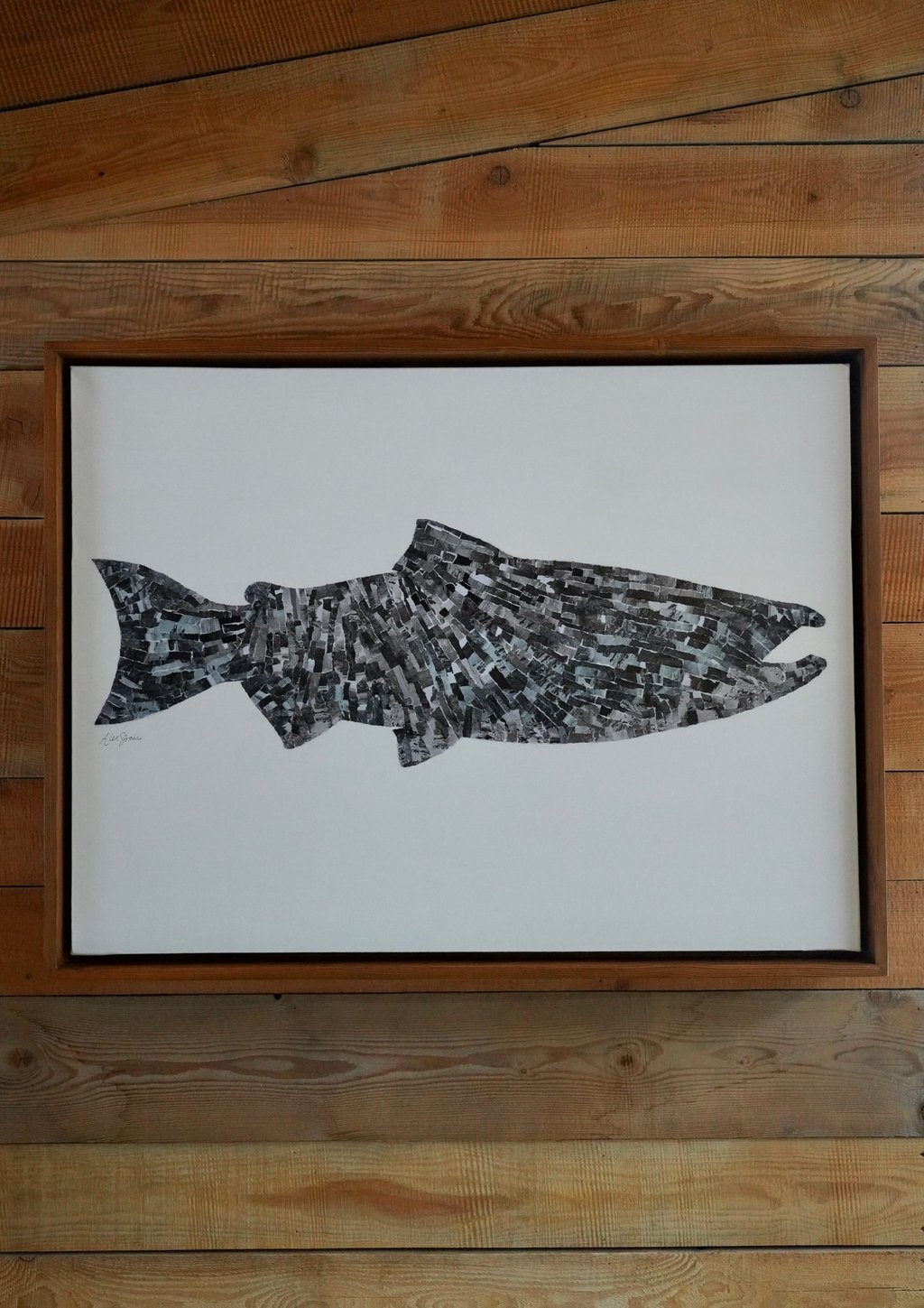
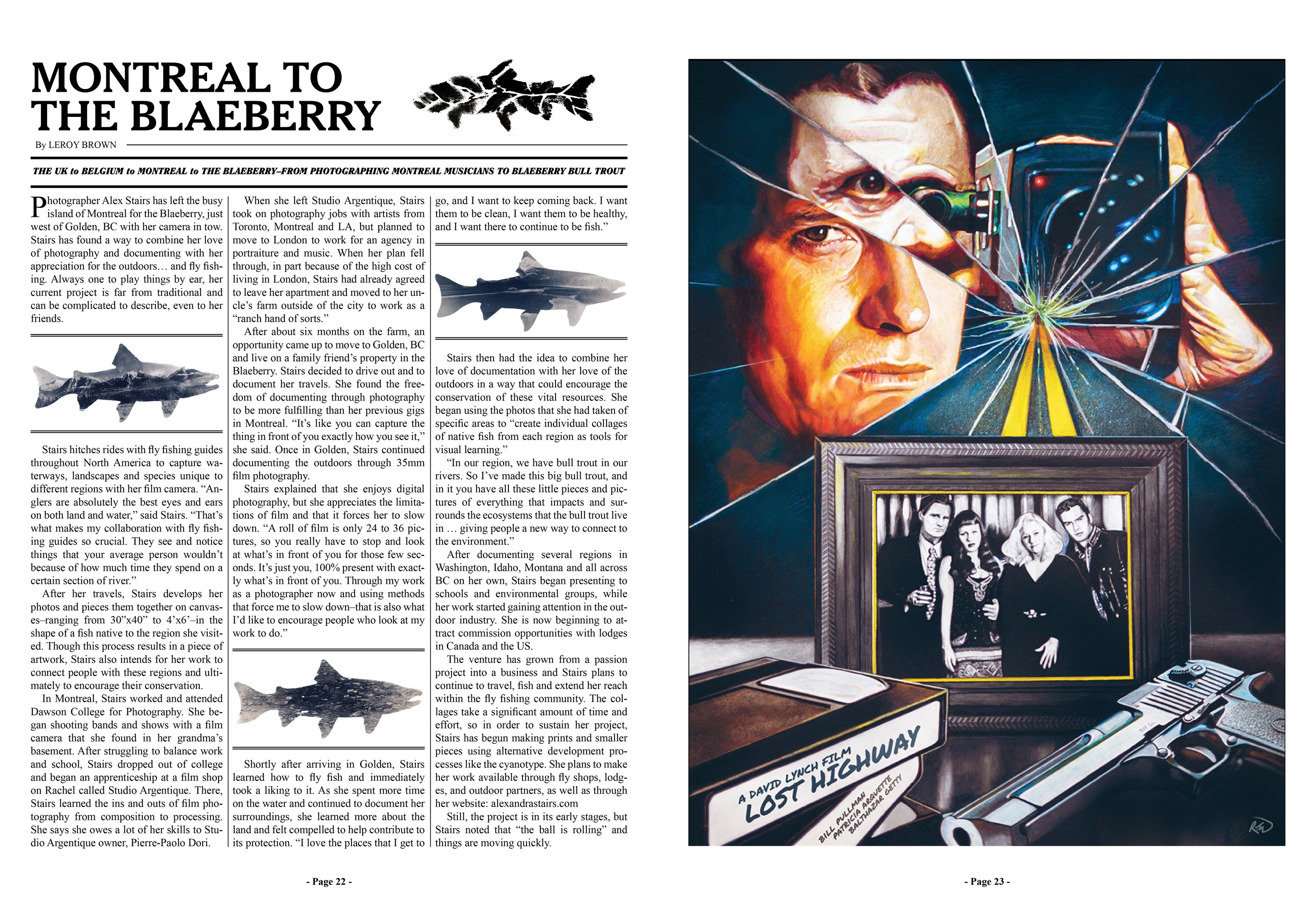
After her travels, Stairs develops her photos and pieces them together on canvases–ranging from 30”x40” to 4’x6’–in the shape of a fish native to the region she visited. Though this process results in a piece of artwork, Stairs also intends for her work to connect people with these regions and ultimately to encourage their conservation.
In Montreal, Stairs worked and attended Dawson College for Photography. She began shooting bands and shows with a film camera that she found in her grandma’s basement. After struggling to balance work and school, Stairs dropped out of college and began an apprenticeship at a film shop on Rachel called Studio Argentique. There, Stairs learned the ins and outs of film photography from composition to processing. She says she owes a lot of her skills to Studio Argentique owner, Pierre-Paolo Dori.
When she left Studio Argentique, Stairs took on photography jobs with artists from Toronto, Montreal and LA, but planned to move to London to work for an agency in portraiture and music. When her plan fell through, in part because of the high cost of living in London, Stairs had already agreed to leave her apartment and moved to her uncle’s farm outside of the city to work as a “ranch hand of sorts.”
After about six months on the farm, an opportunity came up to move to Golden, BC and live on a family friend’s property in the Blaeberry. Stairs decided to drive out and to document her travels. She found the freedom of documenting through photography to be more fulfilling than her previous gigs in Montreal. “It’s like you can capture the thing in front of you exactly how you see it,” she said. Once in Golden, Stairs continued documenting the outdoors through 35mm film photography.
Stairs explained that she enjoys digital photography, but she appreciates the limitations of film and that it forces her to slow down. “A roll of film is only 24 to 36 pictures, so you really have to stop and look at what’s in front of you for those few seconds. It’s just you, 100% present with exactly what’s in front of you. Through my work as a photographer now and using methods that force me to slow down–that is also what I’d like to encourage people who look at my work to do.”
Shortly after arriving in Golden, Stairs learned how to fly fish and immediately took a liking to it. As she spent more time on the water and continued to document her surroundings, she learned more about the land and felt compelled to help contribute to its protection. “I love the places that I get to go, and I want to keep coming back. I want them to be clean, I want them to be healthy, and I want there to continue to be fish.”
Stairs then had the idea to combine her love of documentation with her love of the outdoors in a way that could encourage the conservation of these vital resources. She began using the photos that she had taken of specific areas to “create individual collages of native fish from each region as tools for visual learning.”
“In our region, we have bull trout in our rivers. So I’ve made this big bull trout, and in it you have all these little pieces and pictures of everything that impacts and surrounds the ecosystems that the bull trout live in … giving people a new way to connect to the environment.”
After documenting several regions in Washington, Idaho, Montana and all across BC on her own, Stairs began presenting to schools and environmental groups, while her work started gaining attention in the outdoor industry. She is now beginning to attract commission opportunities with lodges in Canada and the US.
The venture has grown from a passion project into a business and Stairs plans to continue to travel, fish and extend her reach within the fly fishing community.
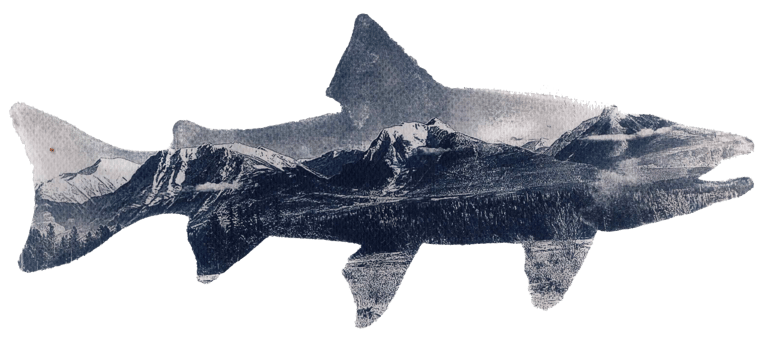
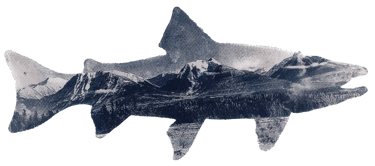
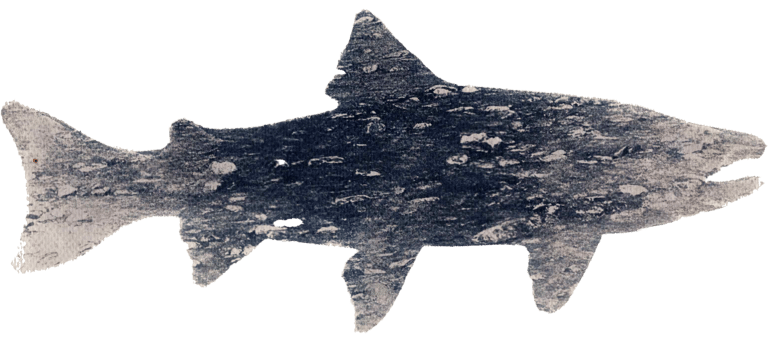
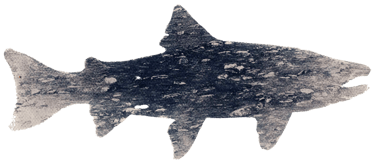
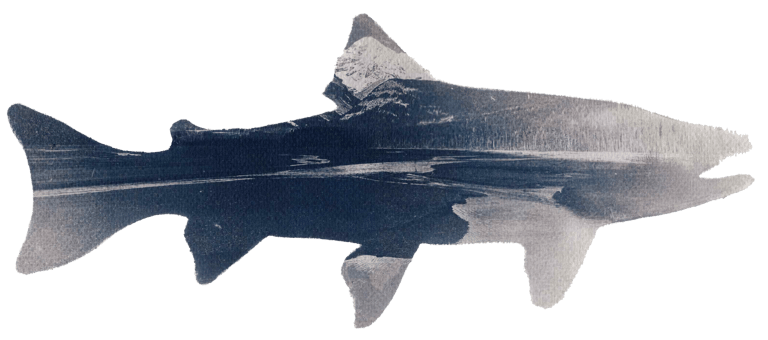
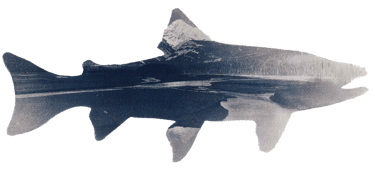
The collages take a significant amount of time and effort, so in order to sustain her project, Stairs has begun making prints and smaller pieces using alternative development processes like the cyanotype. She plans to make her work available through fly shops, lodges, and outdoor partners, as well as through her website: alexandrastairs.com
Still, the project is in its early stages, but Stairs noted that “the ball is rolling” and things are moving quickly.
RUNNING MAN PRESS
CoNTACT
info@runningmanpress.ca
© 2024. All rights reserved.
ads@runningmanpress.ca