
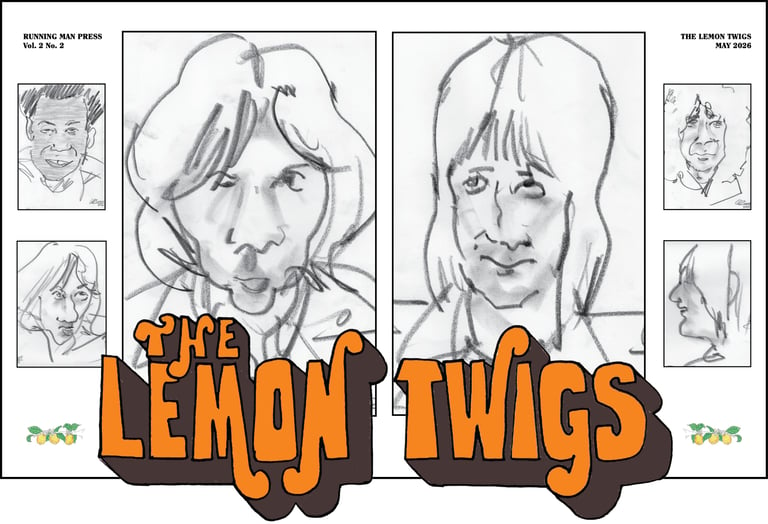
Artwork by Aidan Domenis
THE LEMON TWIGS INTERVIEW: Brian and Michael D'Addario on Foxygen, harmonies and new album Look for Your Mind!
INTERVIEWFEATURED
5/20/202620 min read
The Lemon Twigs are a Rock ‘n’ Roll band, heavily influenced by 60s and 70s music, especially that of The Beatles and The Beach Boys. The band is made up of brothers Brian and Michael D’Addario as well as Reza Matin and Danny Ayala, who up until Look For Your Mind! only played live shows. On their new album, the brothers have opened up their recording studio and allowed more cooks in the kitchen–another being Eva Chambers of Tchotchke who plays bass and sings backup vocals on two songs.
Look For Your Mind! Is the band’s sixth studio album and is laced with much of the signature Lemon Twigs sound. It moves further in the direction that the band set off in with their previous two albums, Everything Harmony and A Dream is All I Know, though it showcases the ever-growing arsenal that the D’Addario’s have been adding to since they were children.
The brothers grew up in an artistic household on Long Island and came by their Beatles obsession honestly. Their father Ronnie D’Addario is a full blown Beatles fanatic and had a moderately successful music career himself. Their mother is a neuropsychologist who worked here and there as an actress in her younger years. Michael and Brian also found success in acting as children. While Michael had prominent roles in movies such as People Like Us (2012), Brian mostly stuck to Broadway, playing Flounder in The Little Mermaid and Gavroche in Les Misérables.
In high school, the brothers recorded their first ‘unofficial’ album What We Know and put out one hundred copies on cassette. Around this time, the brothers reached out to one of their big influences, Foxygen, and sent demos they were working on. Jonathan Rado and Sam France of Foxygen were impressed and flew the brothers out to the west coast to record what would become their first official album, Do Hollywood (2016). The album quickly placed The Lemon Twigs on the map and they have been honing their craft in the spotlight ever since.
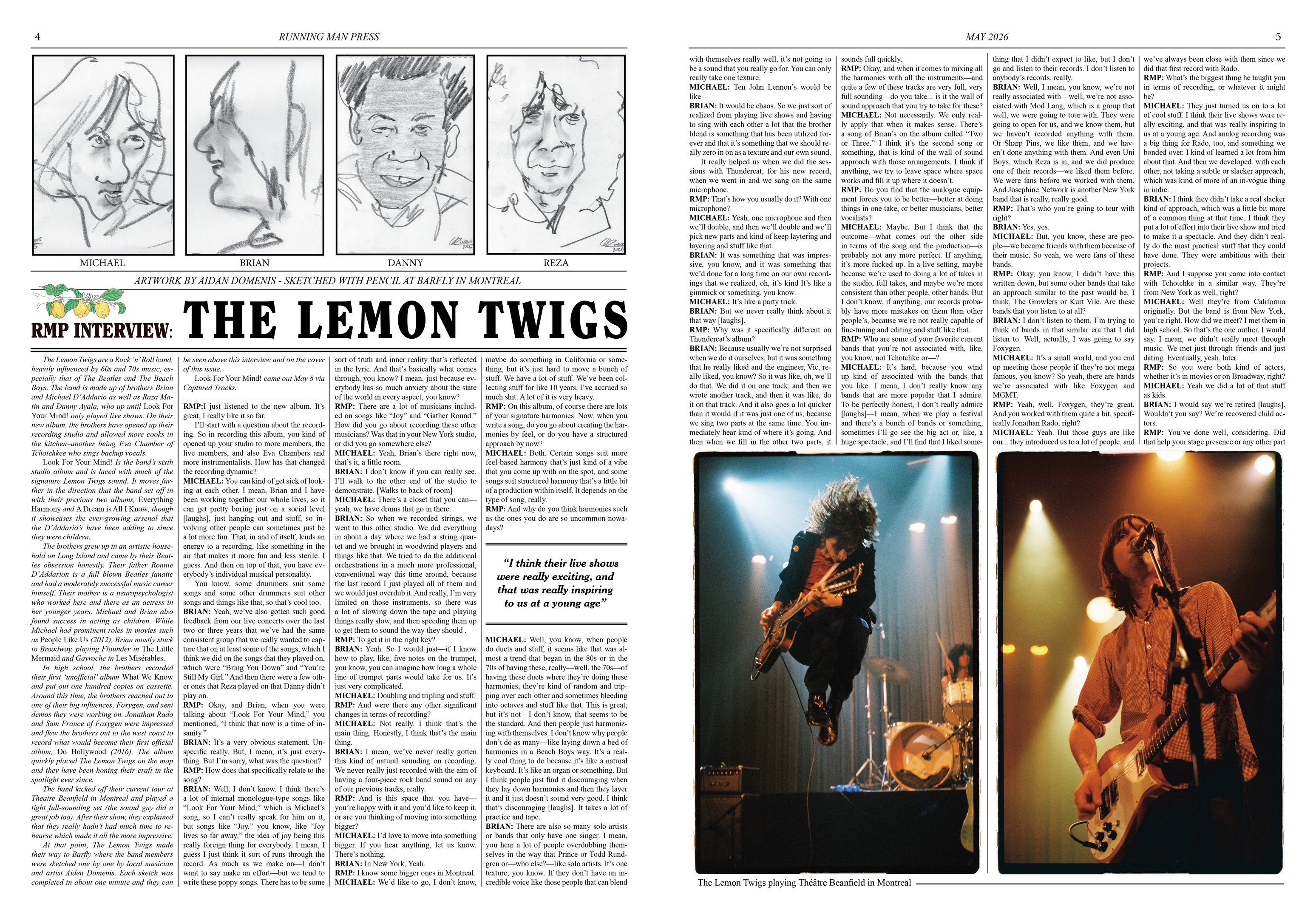
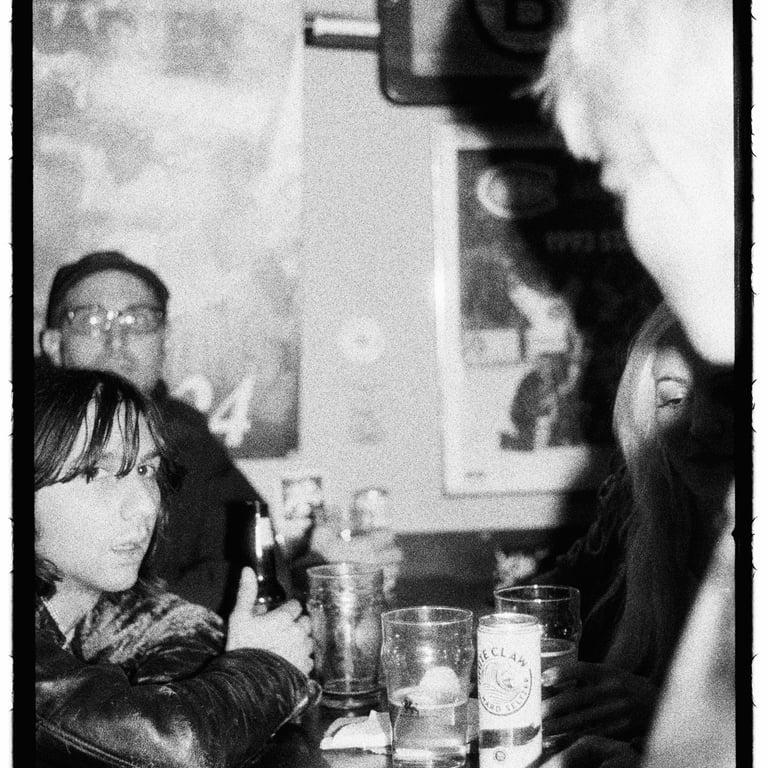
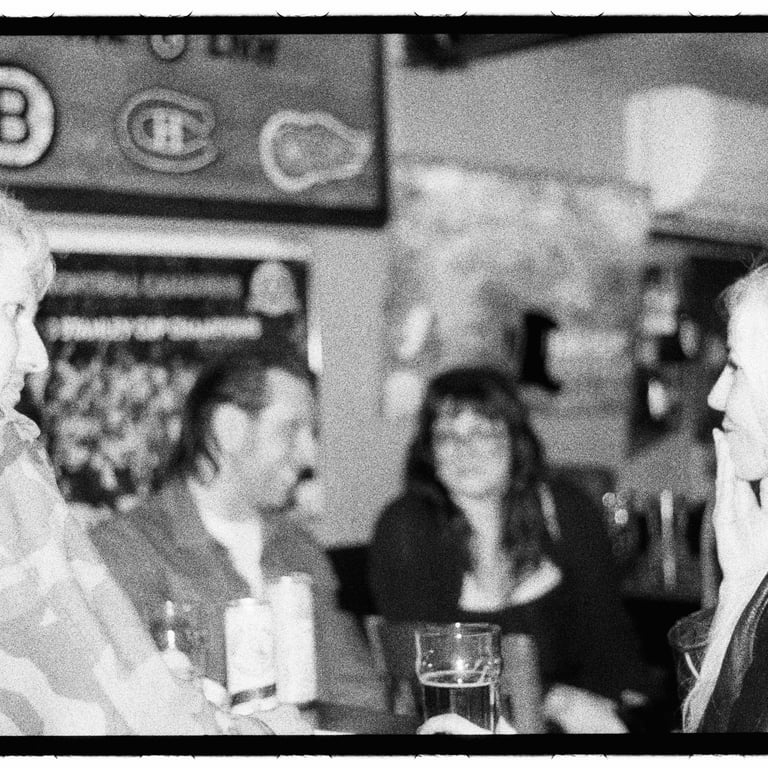
The band kicked off their current tour at Theatre Beanfield in Montreal and played a tight full-sounding set (the sound guy did a great job too). After their show, they explained that they really hadn’t had much time to rehearse which made it all the more impressive.
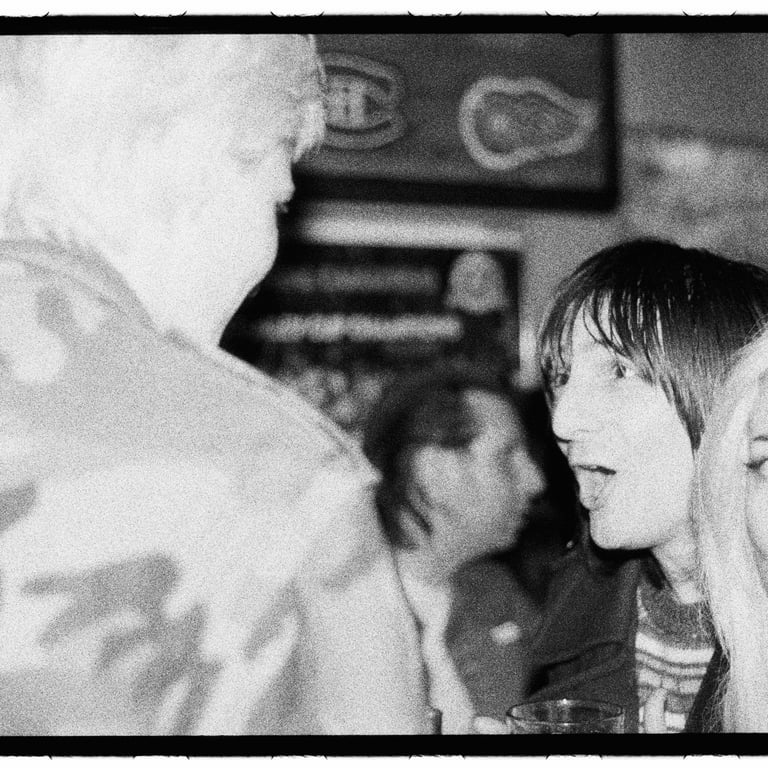
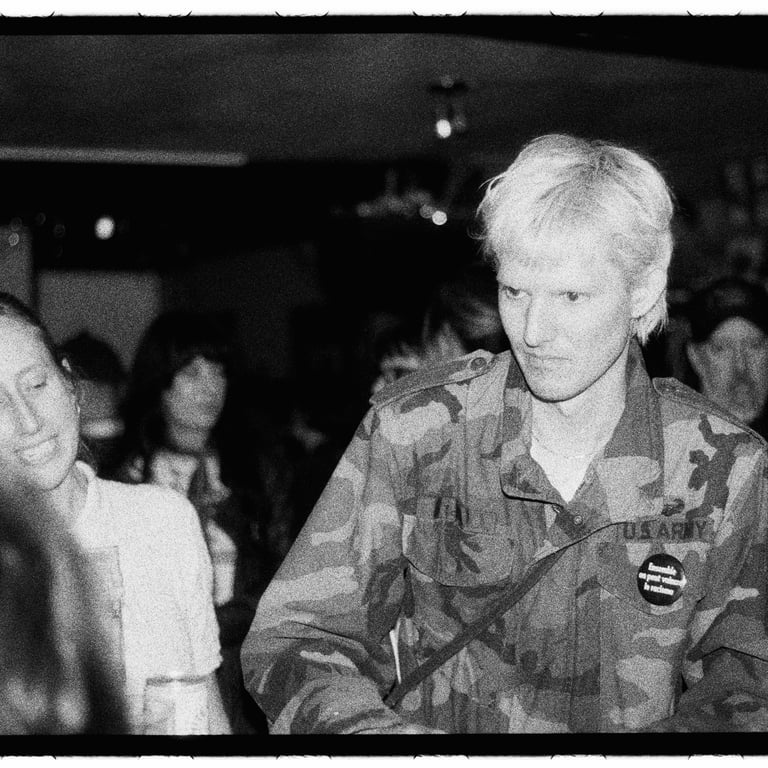
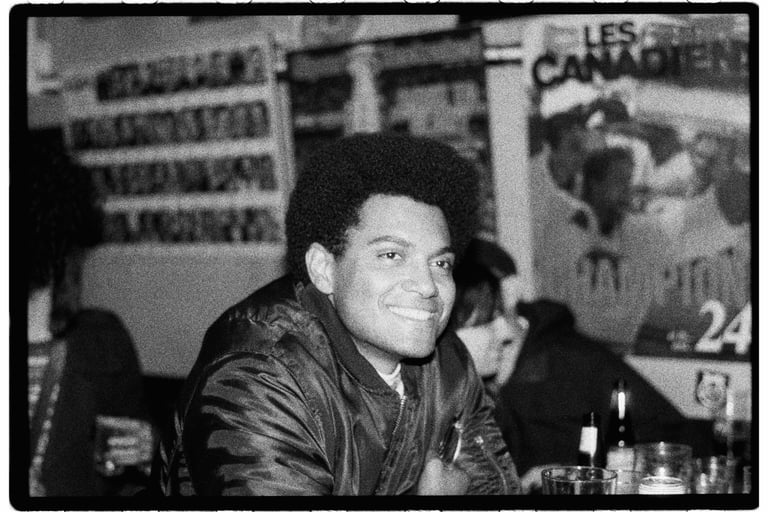
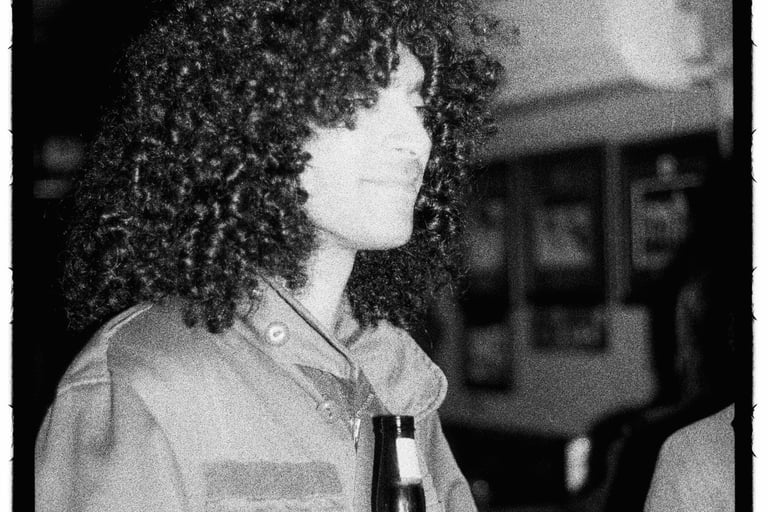
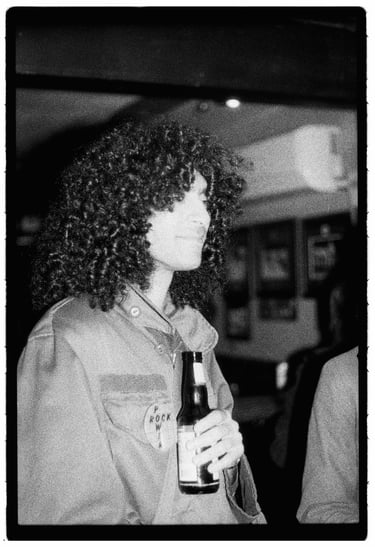
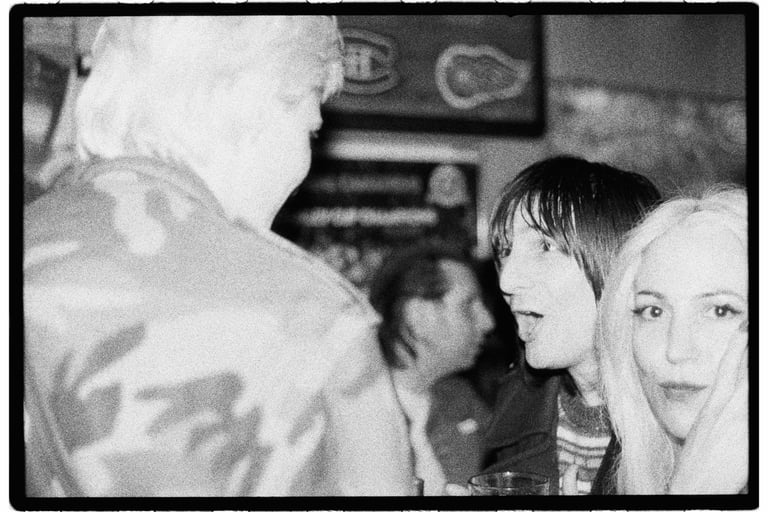
At that point, The Lemon Twigs made their way to Barfly where the band members were sketched one by one by local musician and artist Aiden Domenis. Each sketch was completed in about one minute and they can be seen above this interview and on the cover of this issue.
Look For Your Mind! came out May 8 via Captured Tracks.
____________________________________
RMP: I’ll start with a question about the recording process. So in recording this album, you kind of opened up your studio to more members, the live members, and also Eva Chambers and more instrumentalists. How has that changed the recording dynamic?
MICHAEL: You can kind of get sick of looking at each other. I mean, Brian and I have been working together our whole lives, so it can get pretty boring just on a social level [laughs], just hanging out and stuff, so involving other people can sometimes just be a lot more fun. That, in and of itself, lends an energy to a recording, like something in the air that makes it more fun and less sterile, I guess. And then on top of that, you have everybody’s individual musical personality.
You know, some drummers suit some songs and some other drummers suit other songs and things like that, so that’s cool too.
BRIAN: Yeah, we’ve also gotten such good feedback from our live concerts over the last two or three years that we’ve had the same consistent group that we really wanted to capture that on at least some of the songs, which I think we did on the songs that they played on, which were “Bring You Down” and “You’re Still My Girl.” And then there were a few other ones that Reza played on that Danny didn’t play on.
RMP: Okay, and Brian, when you were talking about “Look For Your Mind,” you mentioned, “I think that now is a time of insanity.”
BRIAN: It’s a very obvious statement. Unspecific really. But, I mean, it’s just everything. But I’m sorry, what was the question?
RMP: How does that specifically relate to the song?
BRIAN: Well, I don’t know. I think there’s a lot of internal monologue-type songs like “Look For Your Mind,” which is Michael’s song, so I can’t really speak for him on it, but songs like “Joy,” you know, like “Joy lives so far away,” the idea of joy being this really foreign thing for everybody. I mean, I guess I just think it sort of runs through the record. As much as we make an—I don’t want to say make an effort—but we tend to write these poppy songs. There has to be some sort of truth and inner reality that’s reflected in the lyrics. And that’s basically what comes through, you know? I mean, just because everybody has so much anxiety about the state of the world in every aspect, you know?
RMP: There are a lot of musicians included on songs like “Joy” and “Gather Round.” How did you go about recording these other musicians? Was that in your New York studio, or did you go somewhere else?
MICHAEL: Yeah, Brian’s there right now, that’s it, a little room.
BRIAN: I don’t know if you can really see. I’ll walk to the other end of the studio to demonstrate. [Walks to back of room]
MICHAEL: There’s a closet, yeah, we have drums that go in there.
BRIAN: So when we recorded strings, we went to this other studio. We did everything in about a day where we had a string quartet and we brought in woodwind players and things like that. We tried to do the additional orchestrations in a much more professional, conventional way this time around, because the last record I just played all of them and we would just overdub it. And really, I’m very limited on those instruments, so there was a lot of slowing down the tape and playing things really slow, and then speeding them up to get them to sound the way they should .
RMP: To get it in the right key?
BRIAN: Yeah. So I would just—if I know how to play, like, five notes on the trumpet, you know, you can imagine how long a whole line of trumpet parts would take for us. It’s just very complicated.
MICHAEL: Doubling and tripling and stuff.
RMP: And were there any other significant changes in terms of recording?
MICHAEL: Not really. I think that’s the main thing. Honestly, I think that’s the main thing.
BRIAN: I mean, we’ve never really gotten this kind of natural sounding on a recording. We never really just recorded with the aim of having a four-piece rock band sound on any of our previous tracks, really.
RMP: And is this space that you have—you’re happy with it and you’d like to keep it, or are you thinking of moving into something bigger?
MICHAEL: I’d love to move into something bigger. If you hear anything, let us know. There’s nothing.
BRIAN: In New York, Yeah.
RMP: I know some bigger spaces in Montreal but definitely not in New York.
MICHAEL: We’d like to go, I don’t know, maybe do something in California or something, but it’s just hard to move a bunch of stuff. We have a lot of stuff. We’ve been collecting stuff for like 10 years. I’ve accrued so much shit. A lot of it is very heavy.
RMP: On this album, of course there are lots of your signature harmonies. Now, when you write a song, do you go about creating the harmonies by feel, or do you have a structured approach by now?
MICHAEL: Both. Certain songs suit more feel-based harmony that’s just kind of a vibe that you come up with on the spot, and some songs suit structured harmony that’s a little bit of a production within itself. It depends on the type of song, really.
RMP: And why do you think harmonies such as the ones you do are so uncommon nowadays?
MICHAEL: Well, you know, when people do duets and stuff, it seems like that was almost a trend that began in the 80s or in the 70s of having these, really—well, the 70s—of having these duets where they’re doing these harmonies, they’re kind of random and tripping over each other and sometimes bleeding into octaves and stuff like that. This is great, but it’s not—I don’t know, that seems to be the standard. And then people just harmonizing with themselves. I don’t know why people don’t do as many—like laying down a bed of harmonies in a Beach Boys way. It’s a really cool thing to do because it’s like a natural keyboard. It’s like an organ or something. But I think people just find it discouraging when they lay down harmonies and then they layer it and it just doesn’t sound very good. I think that’s discouraging [laughs]. It takes a lot of practice and tape.
BRIAN: There are also so many solo artists or bands that only have one singer. I mean, you hear a lot of people overdubbing themselves in the way that Prince or Todd Rundgren or—who else?—like solo artists. It’s one texture, you know. If they don’t have an incredible voice like those people that can blend with themselves really well, it’s not going to be a sound that you really go for. You can only really take one texture.
MICHAEL: Ten John Lennon’s would be like—
BRIAN: It would be chaos. So we just sort of realized from playing live shows and having to sing with each other a lot that the brother blend is something that has been utilized forever and that it’s something that we should really zero in on as a texture and our own sound.
It really helped us when we did the sessions with Thundercat, for his new record, when we went in and we sang on the same microphone.
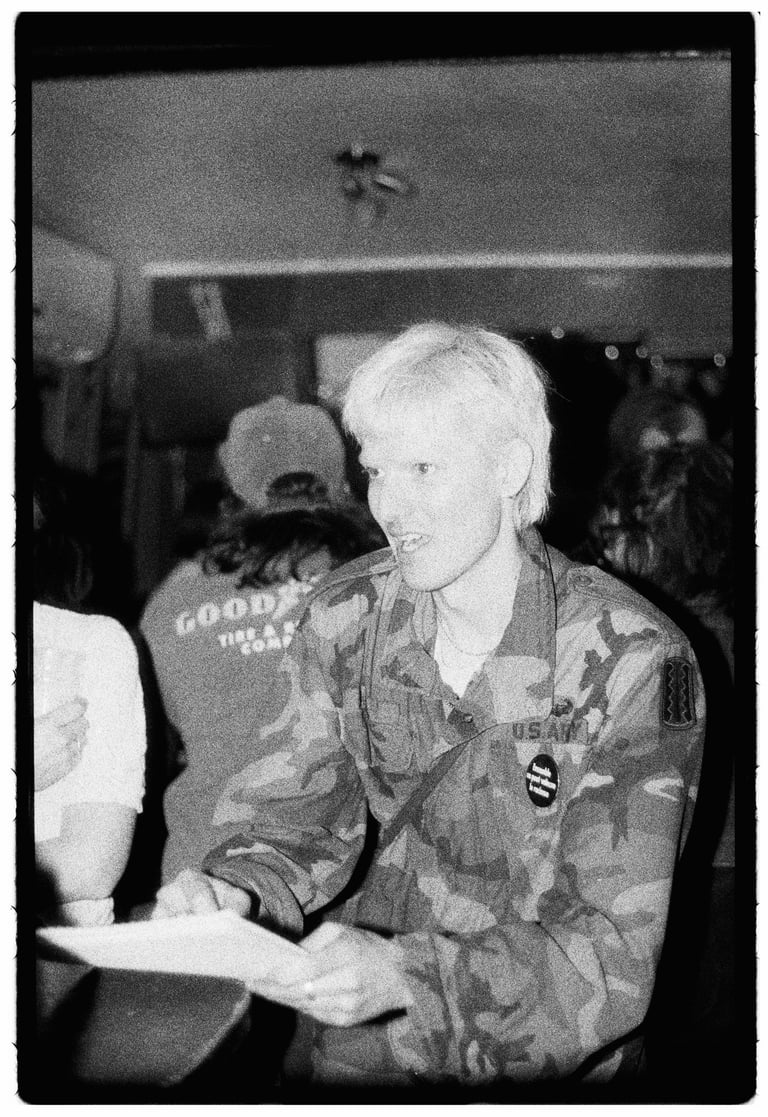
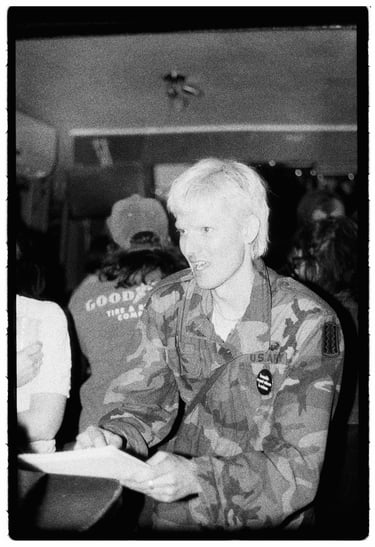
Aidan Domenis drawing Michael D'Addario at Barfly in Montreal after show at Théâtre Beanfield
RMP: That’s how you usually do it? With one microphone?
MICHAEL: Yeah, one microphone and then we’ll double, and then we’ll double and we’ll pick new parts and kind of keep laytering and layering and stuff like that.
BRIAN: It was something that was impressive, you know, and it was something that we’d done for a long time on our own recordings that we realized, oh, it’s kind It’s like a gimmick or something, you know.
MICHAEL: It’s like a party trick.
BRIAN: But we never really think about it that way [laughs].
RMP: Why was it specifically different on Thundercat’s album?
BRIAN: Because usually we’re not surprised when we do it ourselves, but it was something that he really liked and the engineer, Vic, really liked, you know? So it was like, oh, we’ll do that. We did it on one track, and then we wrote another track, and then it was like, do it on that track. And it also goes a lot quicker than it would if it was just one of us, because we sing two parts at the same time. You immediately hear kind of where it’s going. And then when we fill in the other two parts, it sounds full quickly.
RMP: Okay, and when it comes to mixing all the harmonies with all the instruments—and quite a few of these tracks are very full, very full sounding—do you take... is it the wall of sound approach that you try to take for these?
MICHAEL: Not necessarily. We only really apply that when it makes sense. There’s a song of Brian’s on the album called “Two or Three.” I think it’s the second song or something, that is kind of the wall of sound approach with those arrangements. I think if anything, we try to leave space where space works and fill it up where it doesn’t.
RMP: Do you find that the analogue equipment forces you to be better—better at doing things in one take, or better musicians, better vocalists?
MICHAEL: Maybe. But I think that the outcome—what comes out the other side in terms of the song and the production—is probably not any more perfect. If anything, it’s more fucked up. In a live setting, maybe because we’re used to doing a lot of takes in the studio, full takes, and maybe we’re more consistent than other people, other bands. But I don’t know, if anything, our records probably have more mistakes on them than other people’s, because we’re not really capable of fine-tuning and editing and stuff like that.
RMP: Who are some of your favorite current bands that you’re not associated with, like, you know, not Tchotchke or—?
MICHAEL: It’s hard, because you wind up kind of associated with the bands that you like. I mean, I don’t really know any bands that are more popular that I admire. To be perfectly honest, I don’t really admire [laughs]—I mean, when we play a festival and there’s a bunch of bands or something, sometimes I’ll go see the big act or, like, a huge spectacle, and I’ll find that I liked something that I didn’t expect to like, but I don’t go and listen to their records. I don’t listen to anybody’s records, really.
BRIAN: Well, I mean, you know, we’re not really associated with—well, we’re not associated with Mod Lang, which is a group that well, we were going to tour with. They were going to open for us, and we know them, but we haven’t recorded anything with them. Or Sharp Pins, we like them, and we haven’t done anything with them. And even Uni Boys, which Reza is in, and we did produce one of their records—we liked them before. We were fans before we worked with them. And Josephine Network is another New York band that is really, really good.
RMP: That’s who you’re going to tour with right?
BRIAN: Yes, yes.
MICHAEL: But, you know, these are people—we became friends with them because of their music. So yeah, we were fans of these bands.
RMP: Okay, you know, I didn’t have this written down, but some other bands that take an approach similar to the past would be, I think, The Growlers or Kurt Vile. Are these bands that you listen to at all?
BRIAN: I don’t listen to them. I’m trying to think of bands in that similar era that I did listen to. Well, actually, I was going to say Foxygen.
MICHAEL: It’s a small world, and you end up meeting those people if they’re not mega famous, you know? So yeah, there are bands we’re associated with like Foxygen and MGMT.
RMP: Yeah, well, Foxygen, they’re great. And you worked with them quite a bit, specifically Jonathan Rado, right?
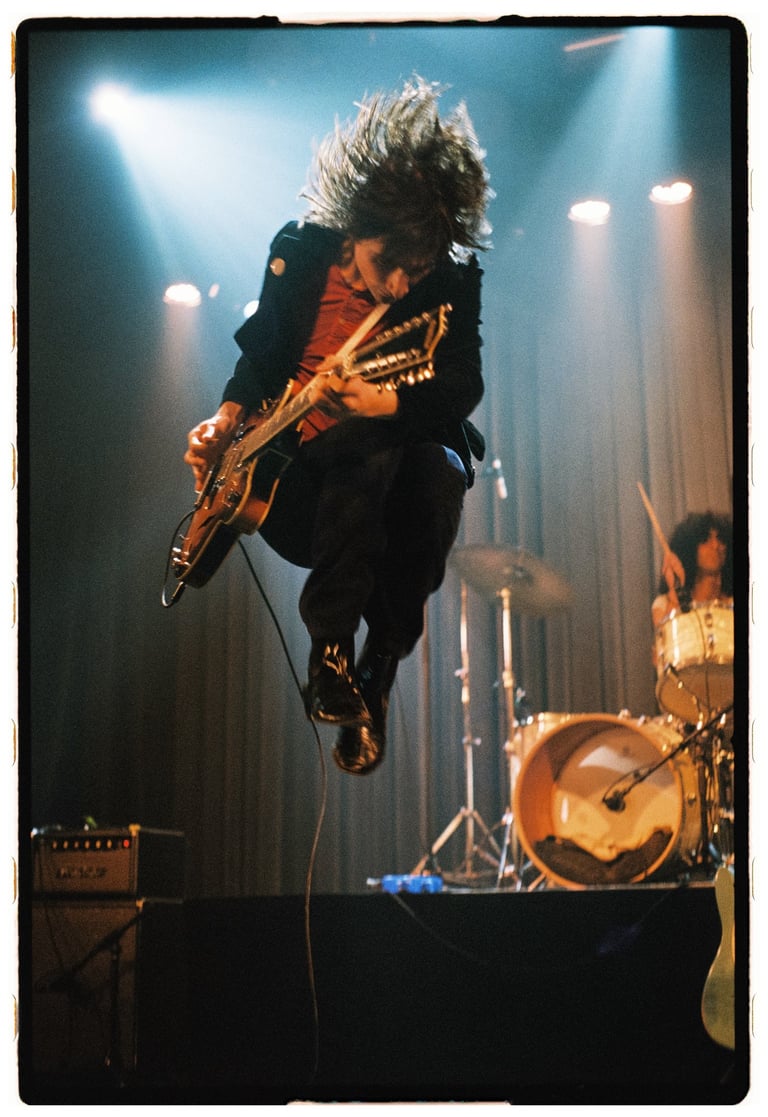
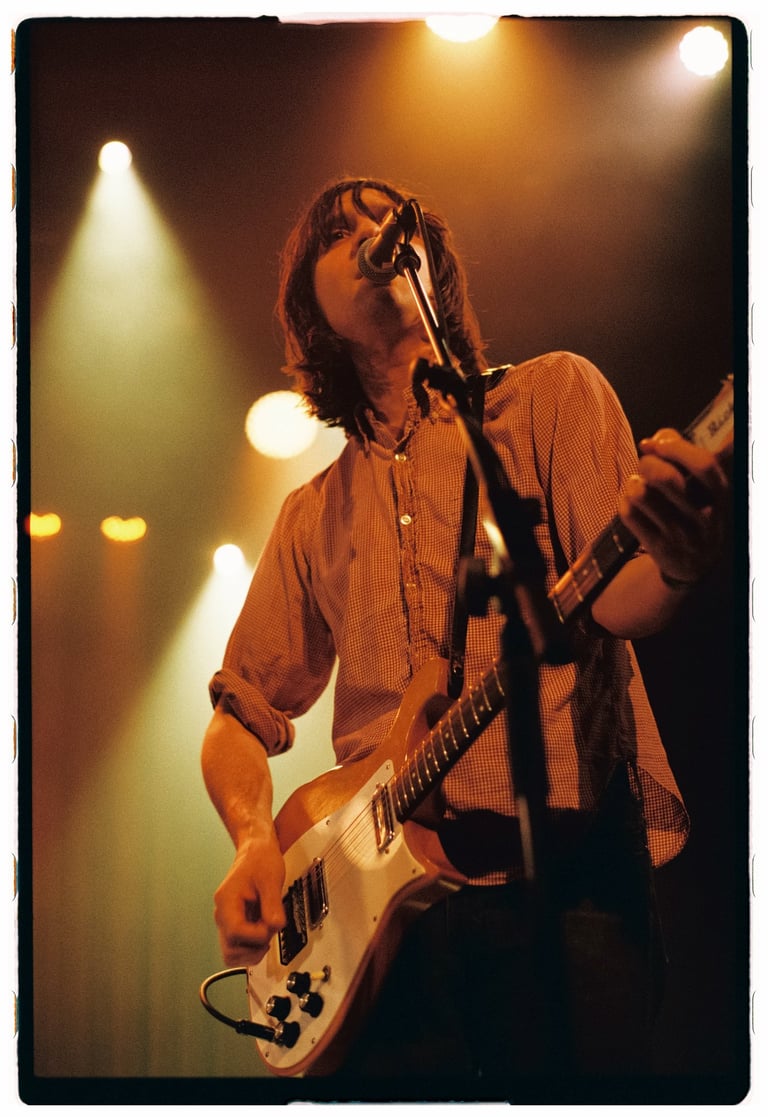
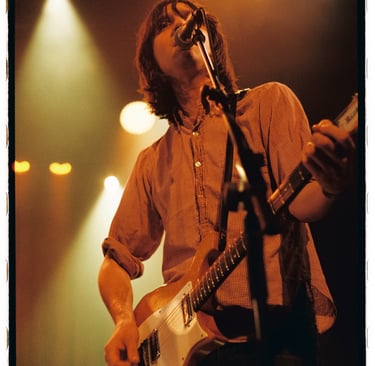
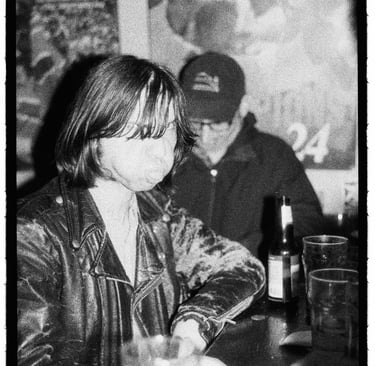
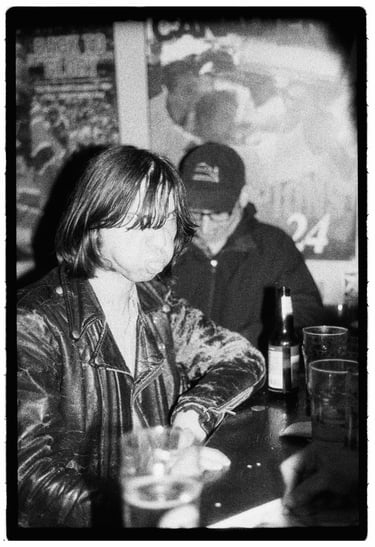
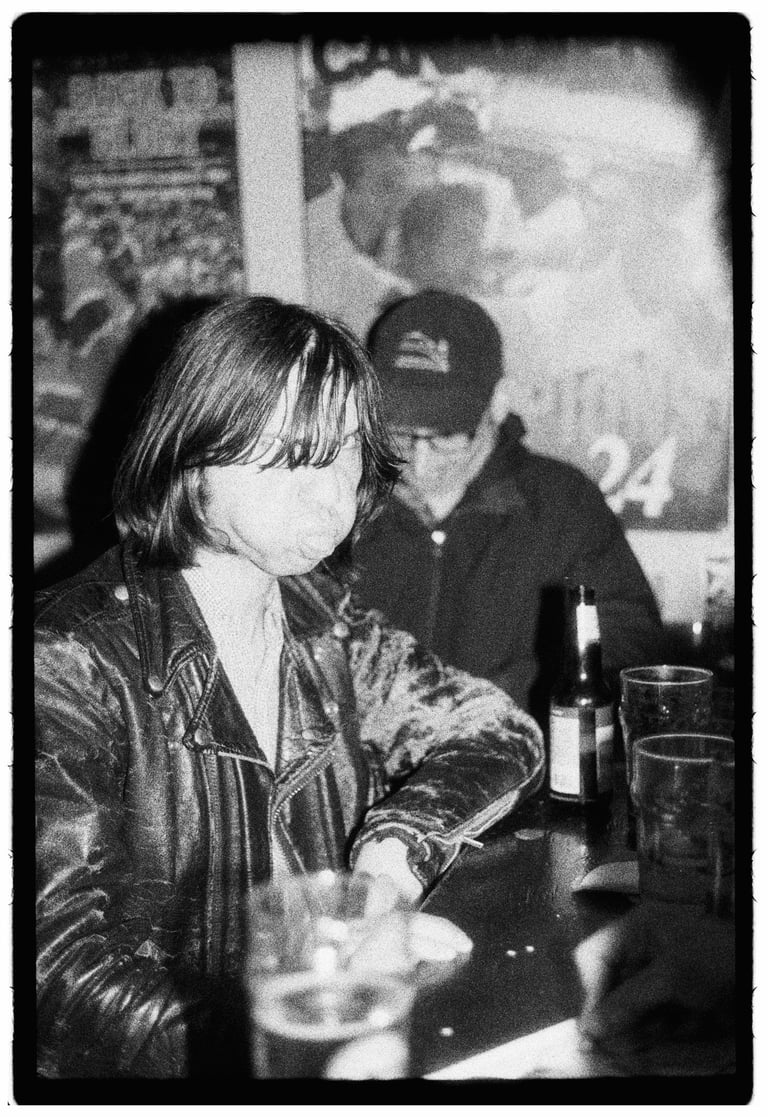
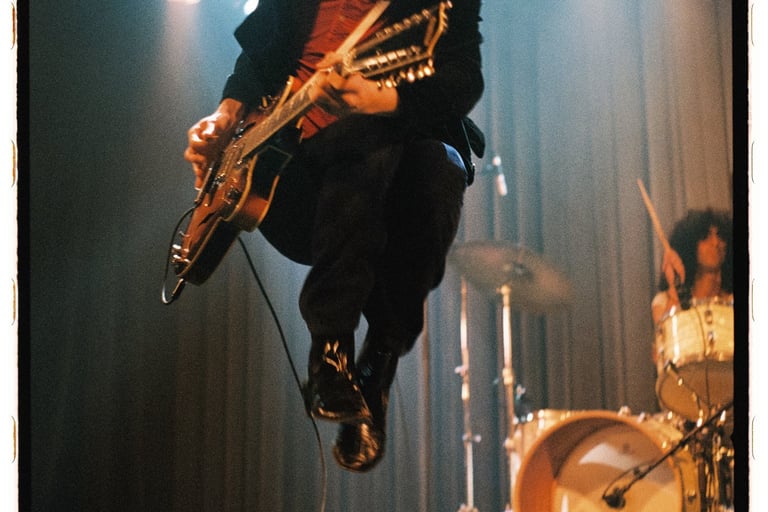
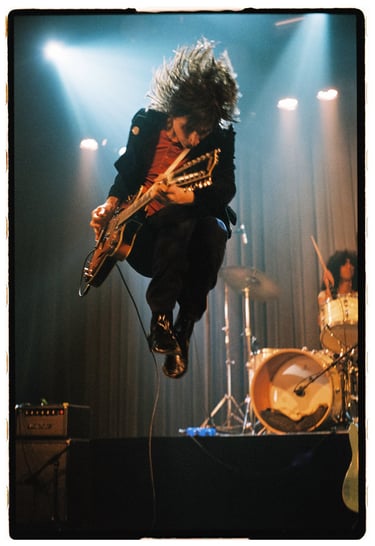
The Lemon Twigs Playing Théâtre Beanfield in Montreal
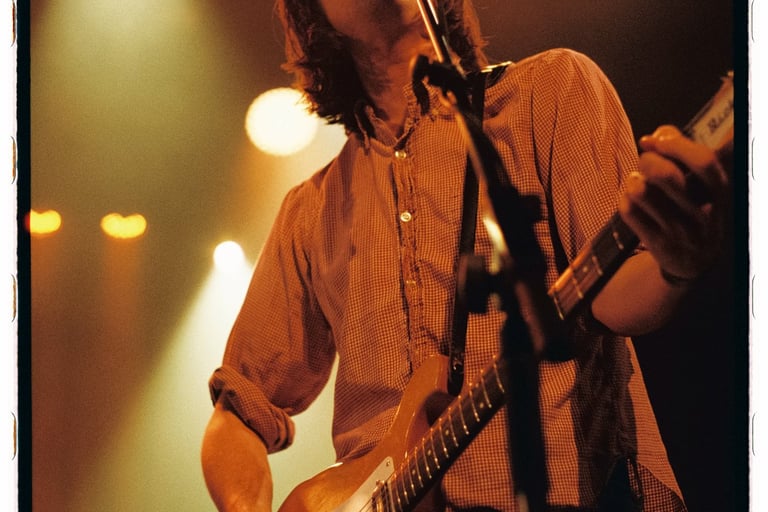
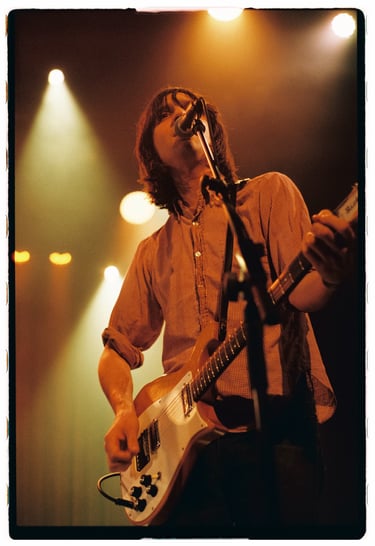
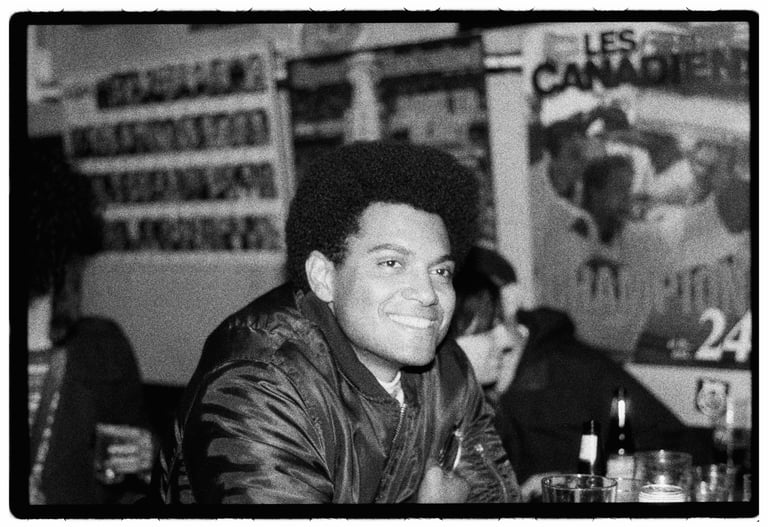
Danny Ayala at Barfly in Montreal
MICHAEL: Yeah. But those guys are like our... they introduced us to a lot of people, and we’ve always been close with them since we did that first record with Rado.
RMP: What’s the biggest thing he taught you in terms of recording, or whatever it might be?
MICHAEL: They just turned us on to a lot of cool stuff. I think their live shows were really exciting, and that was really inspiring to us at a young age. And analog recording was a big thing for Rado, too, and something we bonded over. I kind of learned a lot from him about that. And then we developed, with each other, not taking a subtle or slacker approach, which was kind of more of an in-vogue thing in indie. . .
BRIAN: I think they didn’t take a real slacker kind of approach, which was a little bit more of a common thing at that time. I think they put a lot of effort into their live show and tried to make it a spectacle. And they didn’t really do the most practical stuff that they could have done. They were ambitious with their projects.
RMP: And I suppose you came into contact with Tchotchke in a similar way. They’re from New York as well, right?
MICHAEL: Well they’re from California originally. But the band is from New York, you’re right. How did we meet? I met them in high school. So that’s the one outlier, I would say. I mean, we didn’t really meet through music. We met just through friends and just dating. Eventually, yeah, later.
RMP: So you were both kind of actors, whether it’s in movies or on Broadway, right?
MICHAEL: Yeah we did a lot of that stuff as kids.
BRIAN: I would say we’re retired [laughs]. Wouldn’t you say? We’re recovered child actors.
RMP: You’ve done well, considering. Did that help your stage presence or any other part of your musical career?
BRIAN: I think it hurt mine [laughs].
MICHAEL: Because you’re embarrassed now [laughs].
BRIAN: I mean, I think it made us less nervous to be on stage. I do look back at my initial stage presence with a little bit of embarrassment, but we were so young at that point that it probably only helped in the long run.
RMP: Yeah, that’s what I was thinking—for stage presence and being comfortable. And have you noticed a change in your audience as you’ve developed your music, as your music’s changed?
MICHAEL: Not really, honestly. I mean, it’s gotten bigger, but there’s not some kind of demographic change. We’ve always had a pretty healthy mix of different-aged people. And we’ve always had kids too. I wouldn’t say that the crowd has changed really.
BRIAN: I would say that it’s always—like, I feel like there are a lot of musicians.
RMP: I imagine there’s some of the older guys who loved the 60s, 70s music in the back, you know?
MICHAEL: Oh yeah, definitely, definitely.
BRIAN: Depending on where we are in the world, too. In Spain, you’ll have pretty consistently people of the older generation, people of the older persuasion [laughs]. I was trying to think of a polite way of saying it.
MICHAEL: But depending on where—in Mexico, it was all kids. Not children, but teenagers and stuff. So it depends—different kinds of crowds everywhere.
RMP: Yeah, and I saw last year you were in Montreal with Parcels, and you were playing the bigger Place Bell and these bigger venues.
MICHAEL: Well, that was their— that’s because they were playing that place.
RMP: Yeah, of course. But you played the venues. And how does playing to bigger audiences—how do you find that? And do you want to do more of it?
BRIAN: That can be really fun I think, you know, it’s interesting to see people react in real time and with no context whatsoever. Sometimes they like it, and sometimes they laugh at us, which I don’t appreciate. . . very much. But in general, if it’s a band like that, they’ll be pretty locked in. Honestly, they’re pretty open. I’m trying to think of where people were the least open. I think when we opened for The Killers, there were some people that were not really very into it. I think when we opened for My Chemical Romance, their audience was very attentive and nice and stuff.
MICHAEL: You have no idea what it’s going to be like. I mean, there’s no way to predict it.
BRIAN: Every band that opens for people kind of feels that, I think.
RMP: Definitely, definitely. Parcels is a little closer to your style, maybe.
BRIAN: Maybe a little bit. I don’t think that, because they’re not as—I don’t know—maybe they’re not as—famous or something. Or they didn’t have a big radio hit, even though you hear them in a lot of places. Maybe their audience is a little bit more open to hearing stuff that they haven’t heard before.
RMP: Yeah, that’s a good point. I read—I don’t know which one of you it was—but that there was a Leonard Cohen performance that left you in awe. And I tried to find more information on this, but I couldn’t.
MICHAEL: We saw him at Radio City. I’m sure Brian probably said that, but we saw him at Radio City. How many years before he died was that, Brian?
BRIAN: Well, it was 2013, I think, just a few years. He did this huge, long tour that went on forever, and he would always play these three-hour mega shows where he would come out and do all these encores, and he would run on stage, skip on stage, and he would be on his knees delivering this really centered, great performance. And he had an amazing band, and he was just gracious and really in the mode of performing in a really focused way. That’s what I remember.
RMP: When it comes to writing bass lines, would it be The Beatles or The Beach Boys that you’ve learned more from?
BRIAN: I guess an equal amount. I mean, you know, depends. If you’re going for an orchestral, highly arranged, perfect sound where the bass line follows something that’s happening in the left hand of the piano, then that is obviously more of a hallmark of the Beach Boys style, which seems to be in that Jack Nitzsche, Phil Spector world of arrangement, where this probably comes more from 20s and 30s-style big band arrangements or something like that. And then the McCartney thing is just...
MICHAEL: It’s like a counter-melody.
BRAIN: The bass exists in its own world. It’s doing its own thing and doesn’t have to always follow the drums or any other instruments.
MICHAEL: So they’re both useful modes for when they apply.
RMP: Now it’s been 10 years since the first album. I don’t know if you think much about it, but where do you see The Lemon Twigs in the next 10 years?
MICHAEL: I definitely don’t think much about it. Hopefully somewhere warmer than New York would be great. Maybe Mexico. No, I don’t know—California. I’m sick of the cold. I’ve spent my whole life in New York; I don’t want to spend it here anymore.
BRIAN: I’m sure you can relate in Montreal.
RMP: Definitely. And going forward, do you have any influences or direction that you haven’t explored that you are really set on?
MICHAEL: I think at this point, the only thing that I could see ourselves doing is—Brian would like to do something where he works alone in a fluid way, and I would like to just tour. . . just keep touring. I’d like to tour with The Lemon Twigs. When we’re off tour with The Lemon Twigs, I’d like to play my own shows. I just like to do a lot of shows. That’s what I enjoy doing.
RMP: And you both want to put out more solo stuff as well? Or Brian, that’s more your thing?
MICHAEL: I don’t have ideas for a way that a solo thing would take on any kind of unique personality that we couldn’t just do with the band, so I don’t really know about that.
BRIAN: Michael always dictates what material of mine will end up on solo records by saying, “I don’t want to do that. I don’t want to be in a video for that kind of song.” That’s basically how it goes [laughs]. So it’s kind of nice, you know, because we both overwrite, and Michael doesn’t feel the need to put out stuff, and I do, I guess. So it can be kind of whatever. We’ll find it as we go. I think we’ll probably—it always comes from when we play the live shows. If there’s something musically that we feel like we’re not able to do with our current material, then we’ll write some material that we feel like we want to play out.
RMP: And then in recording and writing this album, what do you think was the biggest takeaway for yourselves, and what do you want other people to be able to take away themselves?
BRIAN: I just felt like I wanted to do more stuff with other people. We’ve kind of existed on our own island for quite a while, kind of our whole career at this point, and I just want to open ourselves up to more artists and more influences. And that’s kind of what going out and playing is about for us. And that’s what everybody always talks about when they go to a live show: the collective experience, how rewarding that is, especially when you’re siphoned off into your own world by the forces of nature of society.
MICHAEL: I mean, that’s what everybody talks about, right? With the algorithm, whatever the fuck.
RMP: I also wanted to ask about the classical guitar, Brian. Do you think that’s given you an edge when it comes to chord progressions? Has it left a big impact?
BRIAN: Yeah, I feel like it taught both of us a lot of different chord shapes. Michael took it for a period of time. It’s really helpful with writing melodies on the guitar. Some of our material you can hear the influence and then others, it’s like, I’ll write a song in that classical finger picking style and then I’ll transpose it to piano or something like that. It’s been a huge influence for me.
RMP: Outside of music, what are your interests?
MICHAEL: I’m pretty much consumed by music. I’ll watch movies and a lot of YouTube, I like to watch YouTube about twenty two hours a day [laughs]. I watch YouTube a lot and then I watch music related YouTube videos and documentaries. But I’ll watch old movies.
RMP: Are you guys getting sucked into the technology world like everyone else–on your phones? You seem like you’re not too bad for that.
BRIAN: Yeah, I can’t stop watching all these horrible videos, you know Drop Site News or whatever. All these independent journalists talking about all the horrible things that our country is doing all around the world. And it doesn’t feel very productive to me because I lack any moral courage whatsoever to do anything or even put myself in harms way at all. So it’s just going into my brain and you know–but I think there are probably a lot of people that get sucked into it. They’re kind of horrified but then they don’t have an outlet for it or they don’t feel like there’s anything they can do about it. So I just babble on trying to talk to Michael about this stuff and I can’t articulate it and he’s bored and doesn’t want to hear about it. [Laughs] Sorry to suck you into that Michael.
But yeah, we have to be on the phones for the social media stuff.
MICHAEL: But that’s the thing that’s really annoying is that you have to be on it.
RMP: Do you control/take care of your own social media?
MICHAEL: Well, we don’t really. I mean, I don’t actually post but people check in and say, “Is this cool?” and we’ll usually say yes. But it’s just clips that we’ve made you know, it’s just clips of the videos.
BRIAN: But that’s what we like so much about being on tour is that we’re actively doing something and we have a real purpose. In between records you kind of have to make videos and stuff like that which really isn’t our medium. You just don’t want it to get in the way of the music.
MICHAEL: We’re trying to sell the show to people, we’re trying to get people to come and see the show.
BRIAN: I thought you meant like selling our show... like our TV show that we do, we’re trying to sell our pilot [laughs].
MICHAEL: No, to sell tickets to shows and the record too. I mean, we worked really hard on the record and the record comes out and we have to tour so... it’s just promotion. You’re like, I don’t want to look at this anymore, I don’t even want to look in the mirror, I don’t want to look at this [laughs].
BRIAN: That’s why our shows are just like, not a phone in sight, just vibes.
MICHAEL: He’s joking, he’s joking, it’s all phones.
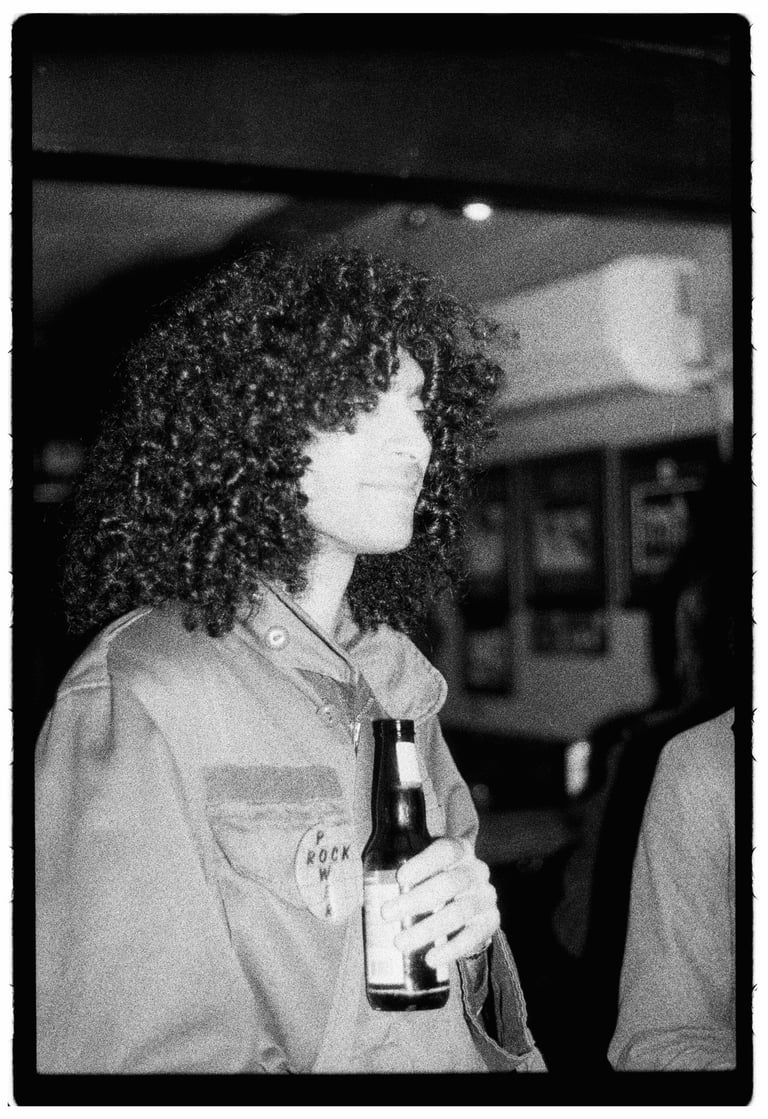
Reza Matin at Barfly
Reza Matin at Barfly
RUNNING MAN PRESS
CoNTACT
info@runningmanpress.ca
© 2024. All rights reserved.
ads@runningmanpress.ca